
Paying in Korea: Foreign Cards, Cash & ATM Problems
A card that worked at your hotel can still fail at another terminal. Prepare two ways to pay before that happens: a usable card and a modest cash backup. You do not need to open a Korean bank account for ordinary holiday spending. The useful skill is knowing how to distinguish a card problem, a terminal problem and a withdrawal problem.
Before your first purchase
Check your card issuer's overseas-payment settings, available balance, withdrawal allowance and contact method. Keep access to its app while abroad. Carry a second payment method separately if you have one, and avoid keeping all your cash and cards in the same bag.
The Korea Tourism Organization's currency guide explains that card payment is widely used, while availability must still be checked at individual businesses. This is not a guarantee that every foreign card, digital wallet or online checkout will work.
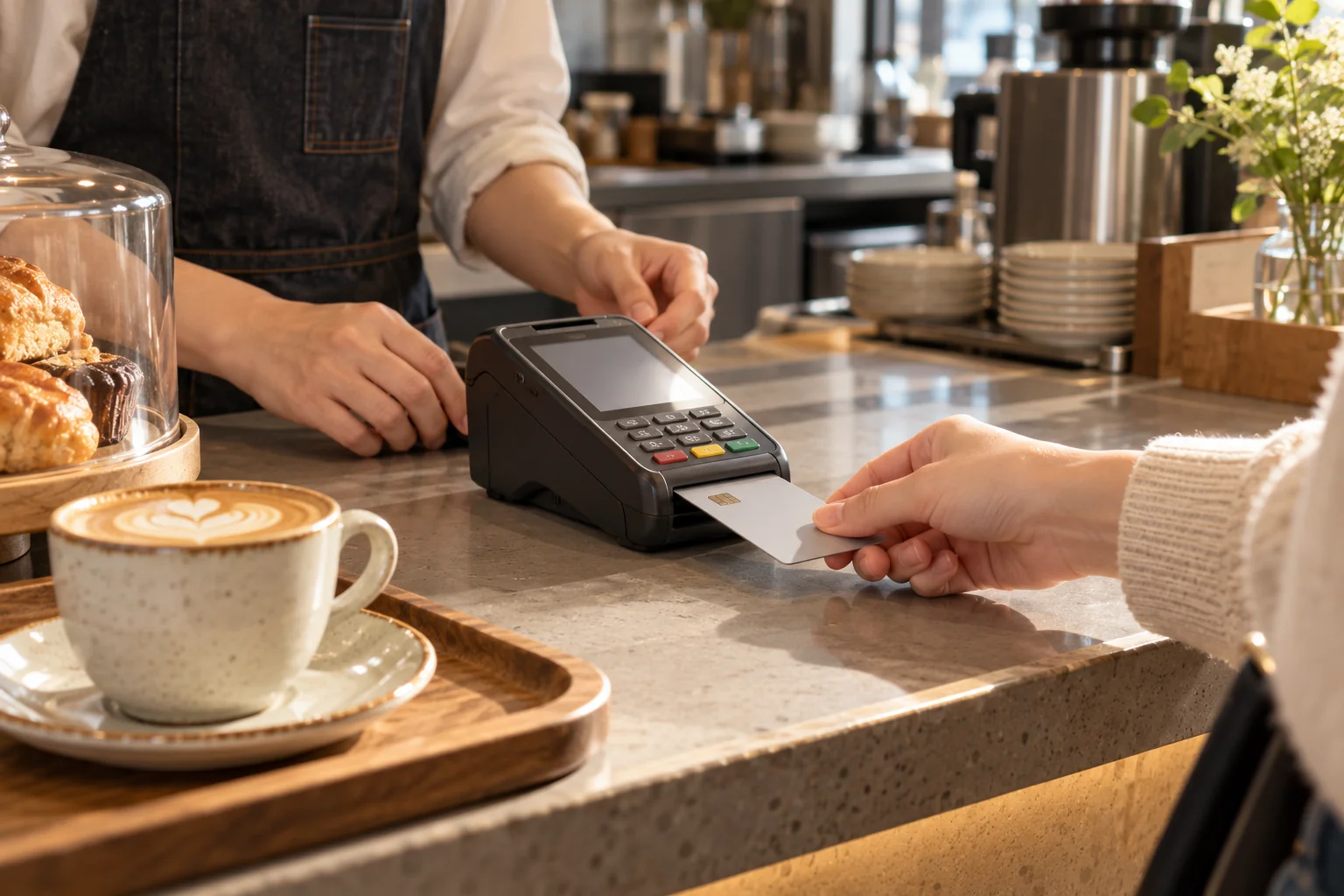
When your card is declined: check in this order
- Ask whether this terminal accepts your card network and a card issued overseas.
- Ask staff whether inserting the physical card is an available alternative to tapping it. Follow their instructions; do not keep repeating the same failed transaction.
- Check your issuer's app for a freeze, security alert or spending restriction. Never show staff your PIN or bank-login screen.
- Ask whether the payment actually went through before using a second card. A pending authorization is not necessarily a settled purchase.
- If the issue remains unresolved, use your backup method and contact the issuer through its official channel.
For a possible duplicate charge, retain the receipt, amount, time and merchant name. Let the merchant and issuer establish the status rather than assuming that two app notifications mean two completed charges.
Withdrawing cash without guessing
Look for an ATM that explicitly supports international cards and your network. Read its fee and withdrawal screens before confirming. The ATM operator and your issuer can impose different restrictions; an advertised amount is not a promise that your card can withdraw it. If an attempt fails, review the message and your issuer's settings before trying another amount or machine.
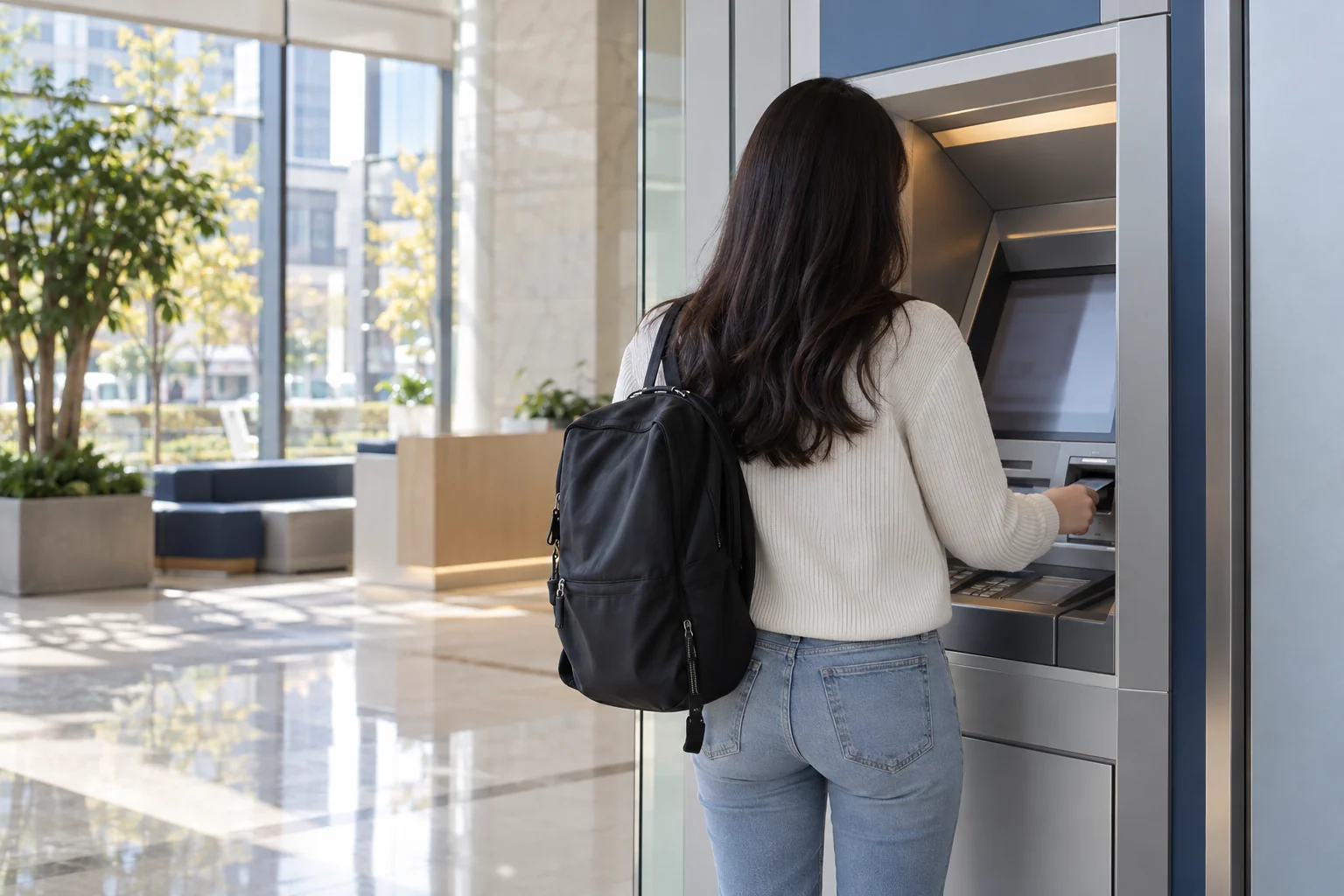
If an ATM retains your card, contact the machine's displayed support number and your issuer promptly. Do not accept help that requires disclosing your PIN. Keep the machine location and identifying number for the support request.
KRW or your home currency?
An ATM or merchant may offer currency conversion. Compare the displayed rate, markup and fees with your card's own terms before choosing. Visa's explanation of dynamic currency conversion describes the information that should be shown and your ability to decline the conversion offer. Do not assume the familiar currency is automatically cheaper.
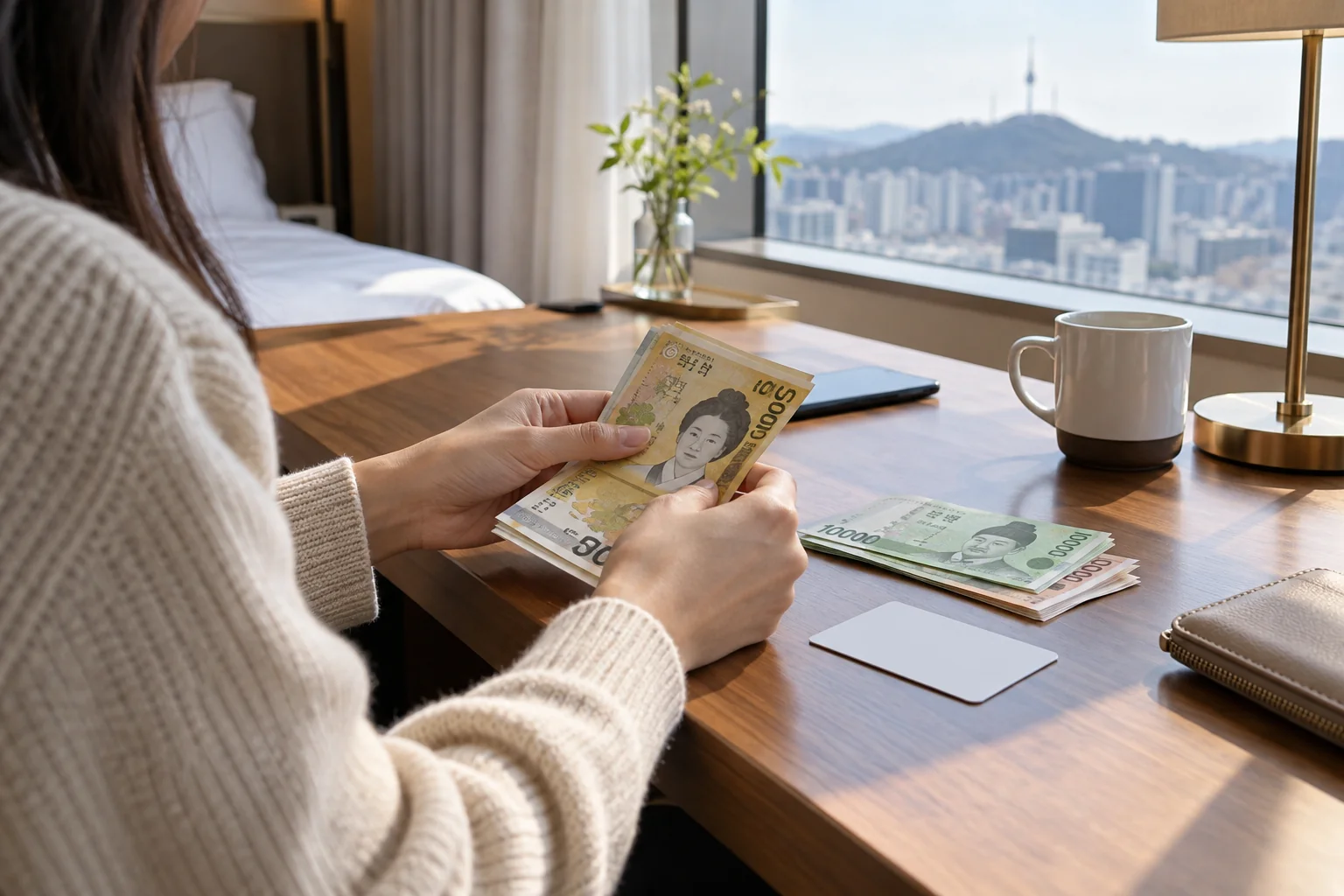
Phrases for the counter
해외 카드도 되나요? (Haeoe kadeudo doenayo?) — Do you accept foreign cards?
결제가 됐나요? (Gyeoljega dwaennayo?) — Did the payment go through?
현금으로 낼게요. (Hyeongeumeuro naelgeyo.) — I will pay in cash.
Seoul and the rest of Korea
The payment checks above apply nationwide. Seoul's concentration of shops does not make every terminal compatible; elsewhere, plan your backup before a long journey or a visit to a small business. This guide covers visitor spending, while the existing bank-account guide addresses residents' banking needs.
Common questions
Will my overseas card work everywhere?
No universal guarantee is possible. Check the business, payment method and issuer settings, and keep a backup.
Does choosing KRW remove every fee?
No. Issuer charges and ATM fees can still apply. Review the terms and conversion information rather than assuming either option is fee-free.
Sources checked October 1, 2026. The troubleshooting sequence is practical editorial guidance, not a diagnosis of an individual card account.
Related guide: Tipping in Korea.
고구마



Comments 댓글 0
Be the first to comment 첫 댓글을 남겨보세요.