
Driving in Korea as a Foreigner: Rentals & Rules
A common and easily avoided disappointment plays out at rental counters across Korea: a traveler shows up ready to rent a car with their home license in hand, only to discover that an International Driving Permit is also required — something many people have never prepared for. For city life, you often don’t need a car here because public transportation covers much of Seoul and other major cities. But for a Jeju road trip or reaching the countryside, driving can open up places that buses and trains don’t serve as directly. Knowing driving in Korea as a foreigner starts with getting the paperwork right.

What You Need Before You Rent
Sort this out before you fly, because the rental counter may not be able to complete your rental without the required documents:
- An International Driving Permit (IDP) issued in your home country before you travel — it serves as an official translation of your license and is not a standalone license.
- Your original home driver’s license (the IDP is used alongside it).
- Your passport, which may be used to verify your identity and date of entry.
- A debit or credit card, depending on the rental company’s payment requirements.
IDP requirements can depend on the issuing country and the rental company. For example, major Korean rental companies currently require an original IDP issued under a recognized international convention, and some specify that the rental period must fall within one year of your entry into Korea.
If you’re settling in Korea long-term, you may eventually need to obtain or convert to a Korean driver’s license, but short-term visitors generally need to check the rental company’s current IDP requirements before booking. The important point is simple: check the exact document requirements before you travel.

Renting the Car
Major rental companies such as Lotte Rent-a-Car, SK Rent-a-Car, and others have branches at airports and in cities, and Jeju in particular is popular for rental-car trips. Book ahead during busy travel periods, especially if you need a specific vehicle type.
When you fuel up, you’ll want:
- Fill it up, please → 가득 채워주세요 (ga-deuk chae-wo-ju-se-yo)
- at the gas station (주유소, ju-yu-so)
Check the fuel policy when you pick up the car, because the return requirements can vary by rental company and vehicle. For example, rental terms may require the vehicle to be returned with a similar fuel level to the one recorded at pickup.
On the Road: What’s Different
A few things to know once you’re behind the wheel:
- Korea drives on the right, and major highway signs commonly include English.
- Tolls are common on expressways; rental cars may have a Hi-pass (하이패스) transponder, or you may need to use a regular toll lane depending on the vehicle and rental setup.
- Highway rest stops (휴게소) are frequent on major routes and often have restaurants, convenience stores, and other facilities — a useful part of a Korean road trip.
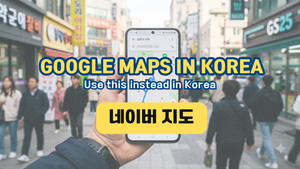
- For navigation, Naver Map or another Korean navigation service can be useful for driving directions. You can also refer to the map app guide for more details.

Take the Rules Seriously
This part matters, so it’s worth stating plainly: make sure you understand Korean traffic rules before getting behind the wheel.
- Drunk driving is subject to strict legal limits and serious penalties. The safest choice is not to drink at all before driving.
- Speed cameras are widely used, so pay attention to posted speed limits and road signs.
- Seatbelts are required, with specific rules applying to passengers as well as drivers.
Traffic rules and penalties can depend on the specific violation, so don’t assume that practices from your home country apply in Korea.
Where Driving Actually Shines
Skip the car in Seoul when you don’t need one — parking can be inconvenient, and traffic can be heavy. Knowing how parking validation works can still be useful when you do drive.
But for Jeju’s coastal roads, mountain areas, or countryside towns where public transportation may be less convenient, a rental car can make getting around much easier. Get the required permit and documents before you travel, check the rental company’s current requirements, follow local traffic rules, and use a reliable navigation app — that’s a practical starting point for enjoying a road trip in Korea.
Official reference and updates
For current details, see Korea Tourism Organization — rental cars. Service conditions can change; check the linked official page before relying on prices, availability, or required documents.
고구마


Comments 댓글 0
Be the first to comment 첫 댓글을 남겨보세요.